admin
adminWorld leaders have gathered in Ankara for the 2026 NATO Summit, where a series of landmark decisions are expected to reshape global security architecture for years to come.
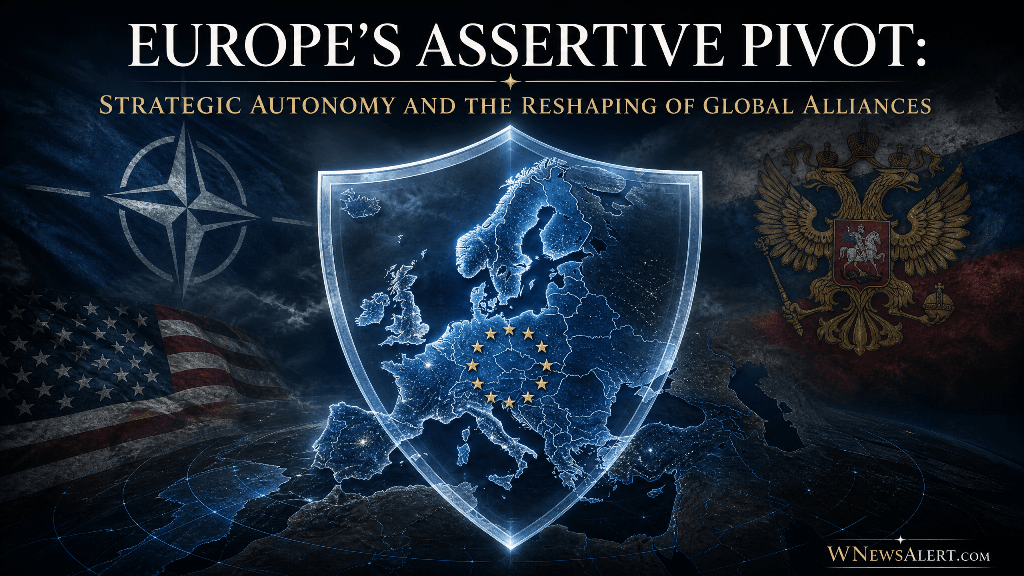
The summit has been described by analysts as the beginning of a “new NATO era,” as member states move toward deeper military coordination and expanded strategic commitments in response to rising global tensions.
Historic Defense Spending Commitment
One of the most significant outcomes of the summit is a new agreement among member states to increase defense spending to 5% of GDP, a move that signals a dramatic shift in alliance priorities amid growing geopolitical uncertainty.
Officials say the decision reflects heightened concerns over multiple global flashpoints, including Europe’s eastern flank, the Arctic region, and key maritime corridors such as the Strait of Hormuz.
Arctic and Maritime Security in Focus
Beyond traditional defense commitments, NATO members have also placed increased emphasis on Arctic security, as competition for resources and strategic routes in the region continues to intensify.
At the same time, tensions in critical maritime zones, including the Strait of Hormuz, remain a key concern for global stability and energy security.
Erdoğan and Rutte Lead High-Stakes Discussions
The summit brings together NATO Secretary General Mark Rutte and Turkish President Recep Tayyip Erdoğan, who are hosting discussions at a time of growing global fragmentation and security challenges.
Analysts say the Ankara Summit could mark one of the most transformative moments in NATO’s modern history, as the alliance adapts to a rapidly changing geopolitical landscape.
A Defining Question for NATO’s Future
As decisions are finalized, one major question remains:
Can NATO maintain unity while expanding its ambitions in an increasingly unstable world?