admin
admin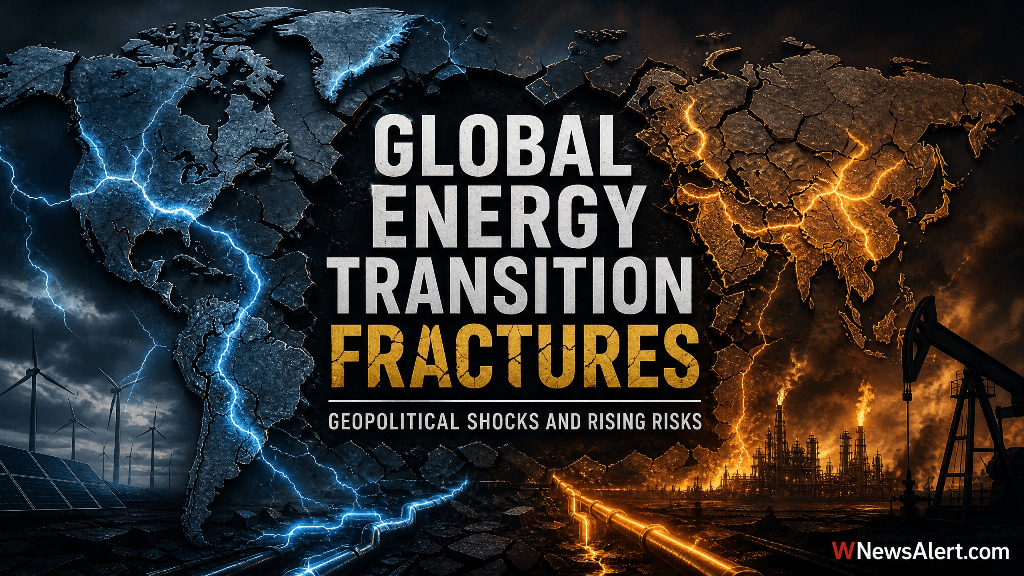
Executive Summary:
The global energy transition is facing unprecedented challenges, with recent data indicating a significant fragmentation in efforts towards sustainable, secure, and equitable energy systems. While 56% of countries improved their Energy Transition Index (ETI) scores in 2026, only 24% managed to advance across all three dimensions simultaneously. This disparity, coupled with rising demand and persistent geopolitical uncertainties, is testing energy systems worldwide. The conflict in the Middle East, in particular, has triggered an unparalleled disruption to global fuel markets, tightening supply and exacerbating inflationary pressures. This analysis delves into the factors contributing to this fragmentation and the potential long-term implications for global energy security and economic stability.
Main Analysis:
1. Fragmented Progress in Energy Transition
Despite a general improvement in ETI scores, the World Economic Forum’s Energy Transition Index 2026 reveals a critical fragmentation. A majority of nations are struggling to balance the triple imperatives of energy security, environmental sustainability, and economic equity. This uneven progress suggests that while some countries are making strides in renewable energy adoption, others are falling behind, often due to economic constraints or reliance on traditional energy sources [1]. The lack of synchronized global effort poses a significant hurdle to achieving collective climate goals.
2. Geopolitical Shocks and Supply Disruptions
The ongoing conflict in the Middle East has profoundly impacted global fuel markets. The International Energy Agency (IEA) highlights an
unprecedented disruption, leading to tightened supply and increased price volatility [2]. This instability not only affects consumer prices but also creates significant challenges for industries reliant on stable energy supplies. The weaponization of energy resources and strategic choke points continues to be a potent tool in geopolitical maneuvering, further complicating the transition away from fossil fuels.
3. Economic Outlook and Inflationary Pressures
The global economic outlook has weakened considerably amidst the energy shock and rising inflationary pressures. The OECD’s press release on June 3, 2026, underscored the deteriorating economic conditions, attributing them to the volatile energy markets and persistent inflation [3]. Businesses face higher operational costs, and consumers grapple with increased living expenses, potentially leading to social unrest and political instability in vulnerable regions. The interplay between energy prices, inflation, and economic growth creates a complex web of challenges for policymakers worldwide.
Strategic Implications:
The fragmentation of the global energy transition, exacerbated by geopolitical conflicts and economic pressures, carries profound strategic implications. Nations may increasingly prioritize energy security over sustainability, potentially leading to a resurgence in fossil fuel investments and a slowdown in climate action. The heightened competition for energy resources could also intensify existing geopolitical rivalries and create new flashpoints. Furthermore, the economic strain on developing nations might widen the global inequality gap, fostering environments ripe for instability. International cooperation and diversified energy strategies are crucial to navigate this turbulent landscape and mitigate the risks of a prolonged global energy crisis.
Legal Notice: This analysis published on wnewsalert.com is prepared for general informational purposes only, based on publicly available global reports and data. No assessment, forecast, or commentary contained herein constitutes investment advice, financial guidance, or an official institutional position. Because energy market dynamics are subject to rapid change, wnewsalert.com and its authors cannot be held liable for any outcomes arising from commercial or strategic decisions made based on the information provided in this content.
References: [1] World Economic Forum. (2026, June 18). Global energy transition is fragmenting, and more energy stories. https://www.weforum.org/stories/2026/06/energy-transition-index-shows-fragmenting-and-more-top-energy-stories/ [2] International Energy Agency. (2026, June 12). 2026 Energy Crisis Policy Response Tracker – Data Tools.