admin
admin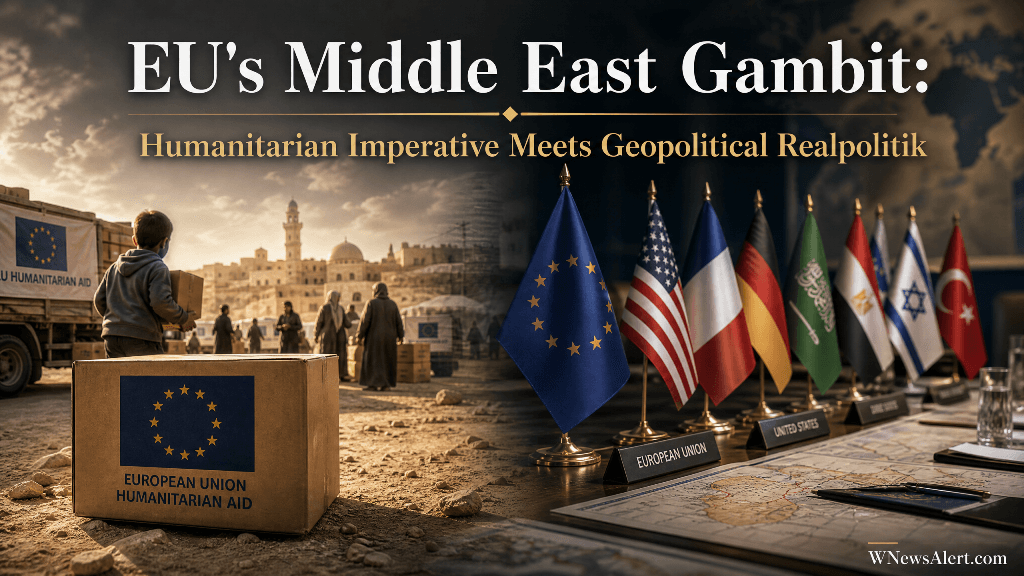
Executive Summary:
The European Council’s intensified focus on the Middle East in June 2026, driven by a deepening humanitarian crisis and regional instability, represents a complex interplay of moral imperative and geopolitical strategy. This analysis examines why the EU is now asserting a more prominent role in the region, dissecting the implications for its relationships with the United States, Russia, and the broader global power balance. The EU’s engagement, while rooted in humanitarian concerns, also serves its strategic interests in energy security, migration management, and counter-terrorism, positioning it as a crucial, albeit cautious, player in a volatile landscape.
Main Analysis:
1. Humanitarian Crisis as a Driver for Enhanced Engagement
The escalating humanitarian crisis in the Middle East, particularly in conflict zones, has compelled the EU to prioritize its engagement in the region. The influx of refugees and the destabilizing effects of prolonged conflicts directly impact European security and social cohesion [1]. The Council’s conclusions emphasize de-escalation, civilian protection, and political resolutions, reflecting a commitment to addressing the root causes of instability. This humanitarian-driven approach also aligns with the EU’s soft power diplomacy, aiming to foster stability through aid and political dialogue.
2. Navigating U.S. and Russian Interests in the Middle East
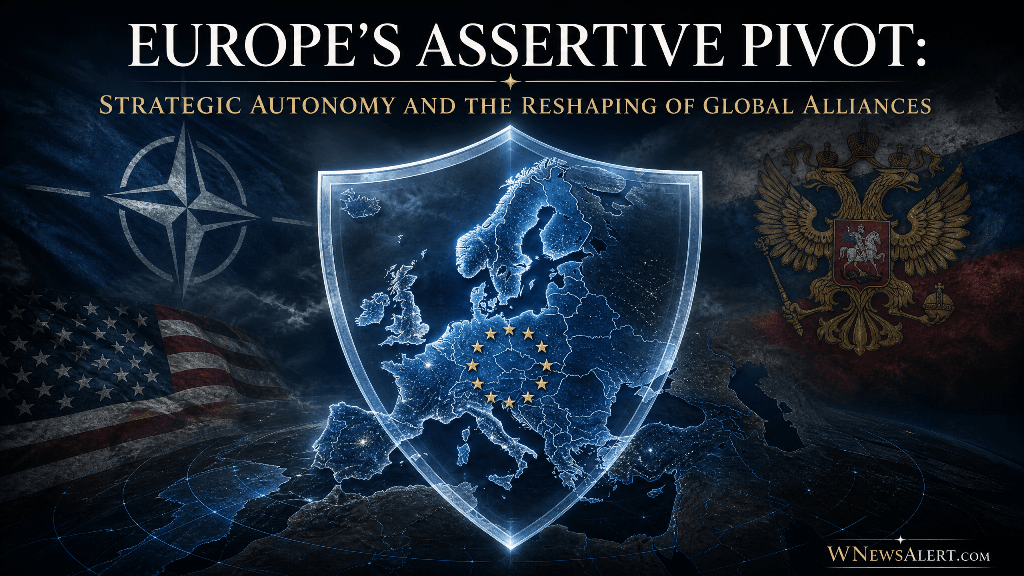
The Middle East remains a critical arena for both U.S. and Russian influence. The EU’s increased engagement necessitates careful navigation of these established powers. While the U.S. has historically been a dominant security guarantor, its shifting priorities and occasional disengagement create vacuums that the EU seeks to fill, often in coordination with Washington but sometimes independently [2]. Russia, on the other hand, has strategically expanded its presence, particularly in Syria, challenging Western influence. The EU’s diplomatic efforts and humanitarian aid can serve as a counterweight, promoting stability and preventing further Russian encroachment without direct military confrontation.
3. Energy Security, Migration, and Counter-Terrorism: Strategic Imperatives
Beyond humanitarian concerns, the EU’s deeper involvement in the Middle East is intrinsically linked to its strategic imperatives in energy security, migration management, and counter-terrorism. The region remains a vital source of energy, and stability is crucial for uninterrupted supply [3]. Furthermore, unresolved conflicts and humanitarian crises fuel migration flows towards Europe, making regional stability a direct interest. The proliferation of extremist groups also poses a direct threat to European security, compelling the EU to engage in counter-terrorism efforts and intelligence sharing. Thus, the EU’s Middle East policy is a multifaceted approach balancing humanitarian values with pragmatic strategic interests.
Strategic Implications:
The EU’s heightened focus on the Middle East signifies a maturing of its foreign policy, moving beyond a purely economic bloc to a more assertive geopolitical actor. Its engagement, while primarily humanitarian, is deeply intertwined with its strategic interests, positioning it as a key player alongside the U.S. and Russia. This proactive stance aims to mitigate regional instability, secure vital resources, and manage migration challenges, ultimately contributing to a more multipolar global order where the EU wields greater influence in its immediate neighborhood and beyond. The success of this strategy will depend on its ability to forge consensus among member states and effectively coordinate with other international actors.
References:
[1] European Council. (2026, June 18-19). European Council, 18-19 June 2026. https://www.consilium.europa.eu/en/meetings/european-council/2026/06/18-19/ [2] esthinktank.com. (2026, April 9). Post-American Europe: strategic autonomy and the transformation of the transatlantic relationship. https://esthinktank.com/2026/04/09/post-american-europe-strategic-autonomy-and-the-transformation-of-the-transatlantic-relationship/ [3] gisreportsonline.com. (2026, January 20). Seeking strategic autonomy in a fragmenting world. https://www.gisreportsonline.com/r/strategic-autonomy-3/