admin
admin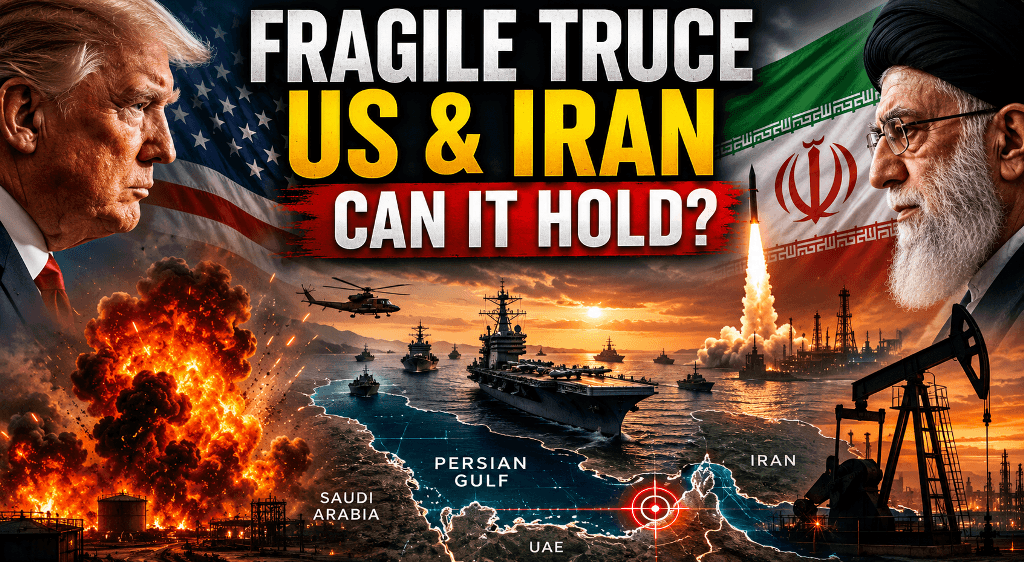
Summary
Reports emerging on June 29 suggest that Washington and Tehran may have reached an understanding to temporarily halt attacks following a period of heightened tensions in the Persian Gulf region.
While the development has been interpreted by some market participants as a sign of relief, military and strategic analysts caution that the underlying risk environment remains largely unchanged.
The Gulf Corridor Under Global Watch
At the center of concern is a narrow maritime corridor in the Persian Gulf through which nearly 20% of global oil supplies pass.
This chokepoint remains one of the most strategically sensitive routes in the world economy, with any disruption capable of triggering immediate ripple effects across:
- Global energy prices
- Financial markets
- International trade routes
Even small-scale incidents in the region have historically led to rapid shifts in global risk perception.
Strategic Tensions Remain Structural
Despite reports of a possible pause in direct hostilities, the broader strategic rivalry between the United States and Iran remains unresolved.
Key underlying issues continue to shape the risk landscape:
- Iran’s nuclear program
- Regional proxy networks
- US military and security presence in the Gulf
- Maritime deterrence and freedom of navigation operations
Analysts emphasize that such pauses, when they occur, often reflect tactical recalibration rather than long-term de-escalation.
Markets vs. Military Assessment
Financial markets have responded cautiously to reports of reduced immediate escalation risk, with some easing in short-term risk premiums.
However, military planners and security analysts maintain a more guarded outlook, noting that deterrence stability in the region remains fragile and highly sensitive to miscalculation.
The divergence between market optimism and strategic caution reflects a familiar pattern in high-tension geopolitical environments.
Historical Risk Pattern
Security analysts note that some of the most dangerous geopolitical escalations have historically occurred not during peak confrontation, but in periods where both sides believed deterrence had been successfully restored.
This dynamic raises questions about whether perceived stabilization reduces risk—or temporarily masks it.
Outlook
While reports of a temporary understanding between Washington and Tehran have eased immediate fears of escalation, the structural drivers of tension in the Persian Gulf remain firmly in place.
The coming period is expected to be closely monitored by governments, energy markets, and military planners as the situation continues to evolve.