admin
admin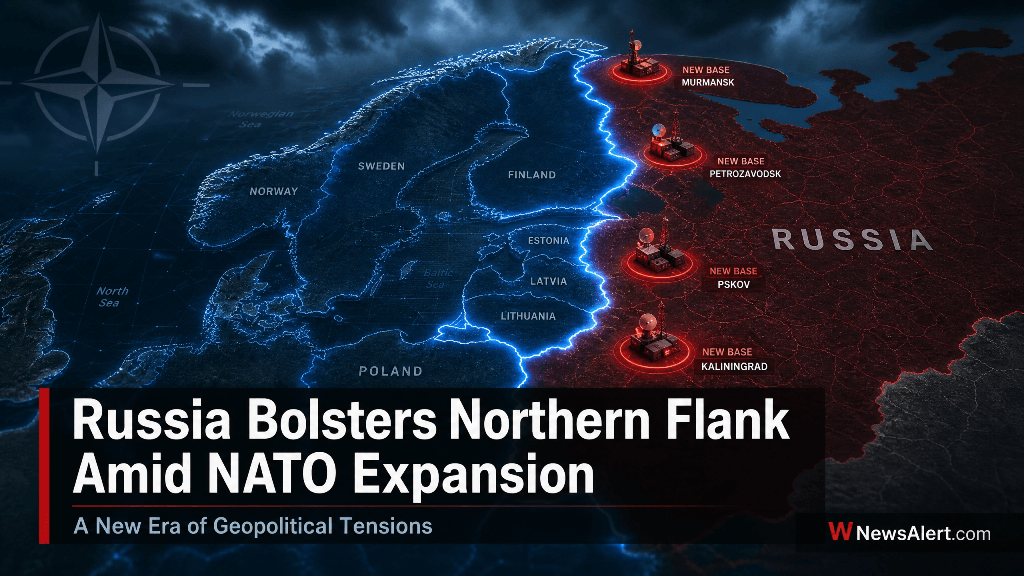
Executive Summary:
As of late June 2026, Russia is significantly expanding its military infrastructure along its northern border with NATO, a move directly responding to NATO’s strengthened eastern flank. This escalation, marked by the establishment of new military bases capable of housing tens of thousands of troops, signals a deepening of geopolitical tensions in the Euro-Atlantic area. NATO, in turn, has reinforced its deterrence and defense posture, deploying multinational battlegroups across its eastern members, including Finland, which recently joined the alliance. The ongoing conflict in Ukraine continues to serve as a primary catalyst for these military realignments, with both sides interpreting the other’s actions as aggressive and destabilizing. This analysis delves into the motivations behind these developments, their immediate impacts, and the long-term uncertainties they introduce into global power dynamics.
Main Analysis:
Russia’s Strategic Military Buildup
Recent satellite imagery and intelligence reports indicate Russia is rapidly constructing and expanding military bases near its border with NATO members, particularly in the Baltic Sea region and near Finland . These developments are part of a broader strategy to counter what Moscow perceives as an encroaching NATO presence. The new bases are designed to accommodate a substantial number of troops, potentially up to 115,000, and are equipped with advanced military hardware . This buildup is not merely defensive; it reflects Russia’s intent to project power and secure its strategic interests in the region, especially given the ongoing conflict in Ukraine.
NATO’s Reinforced Eastern Flank
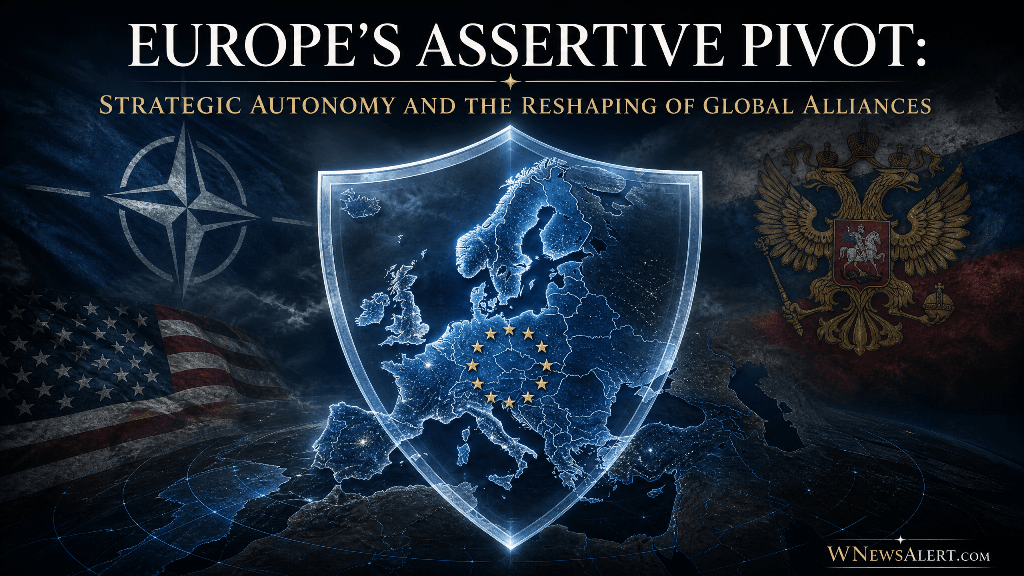
In response to Russia’s aggressive actions, including the annexation of Crimea in 2014 and the full-scale invasion of Ukraine in 2022, NATO has significantly bolstered its eastern flank . As of June 2026, NATO’s Forward Land Forces (FLF) comprise nine multinational battlegroups stationed in countries like Bulgaria, Estonia, Finland, Hungary, Latvia, Lithuania, Poland, Romania, and Slovakia . These battlegroups, some scaled up to brigade-size units, are designed to enhance readiness and ensure the collective defense of all Allies. Finland’s recent accession to NATO has further extended the alliance’s border with Russia, intensifying the strategic importance of the northern flank .
The Ukraine Conflict as a Catalyst
The war in Ukraine remains a central driver of these military escalations. Russia’s continued offensive operations and Ukraine’s sustained resistance have led both NATO and Russia to re-evaluate their defense strategies. The deployment of new Russian bases and NATO’s strengthened presence are direct consequences of the perceived threats emanating from the conflict. Furthermore, the conflict has highlighted the importance of advanced military technologies, such as drones and AI integration, which both sides are actively pursuing .
Strategic Implications:
Escalation of Regional Tensions
The military buildups on both sides of the NATO-Russia border significantly heighten regional tensions. The increased concentration of forces and advanced weaponry raises the risk of miscalculation or accidental escalation. This
situation demands careful diplomatic engagement and de-escalation efforts to prevent a wider conflict. The “why now?” question is answered by the continuous cycle of action and reaction, where each side’s defensive measures are perceived as offensive by the other, creating a self-perpetuating cycle of militarization.
Impact on Global Power Balance
The ongoing military realignments in Eastern Europe and the Baltic region have profound implications for the global power balance. The strengthening of NATO’s eastern flank and Russia’s counter-measures underscore a return to great power competition. This shift is not limited to military aspects but also extends to economic and technological competition, particularly in areas like AI and cyber warfare. The increased military spending and strategic focus on this region divert resources from other global challenges, potentially impacting international cooperation on issues such as climate change, pandemics, and economic stability.
References:
[3] TVP World. (2026, June 11). Russia builds bases for over 100,000 troops in Baltic region.
[4] NATO. (2026, June 17). Strengthening NATO’s eastern flank.