admin
admin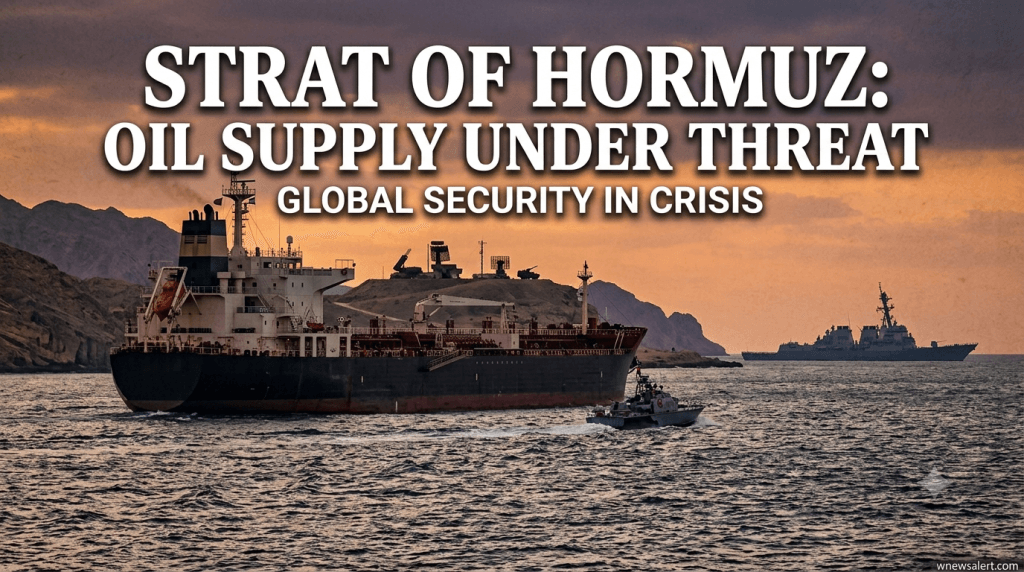
The Strait of Hormuz, one of the world’s most critical energy transit corridors, is on high alert due to rising military friction and attacks on commercial vessels. Experts warn that the escalating tension could trigger massive global shockwaves.
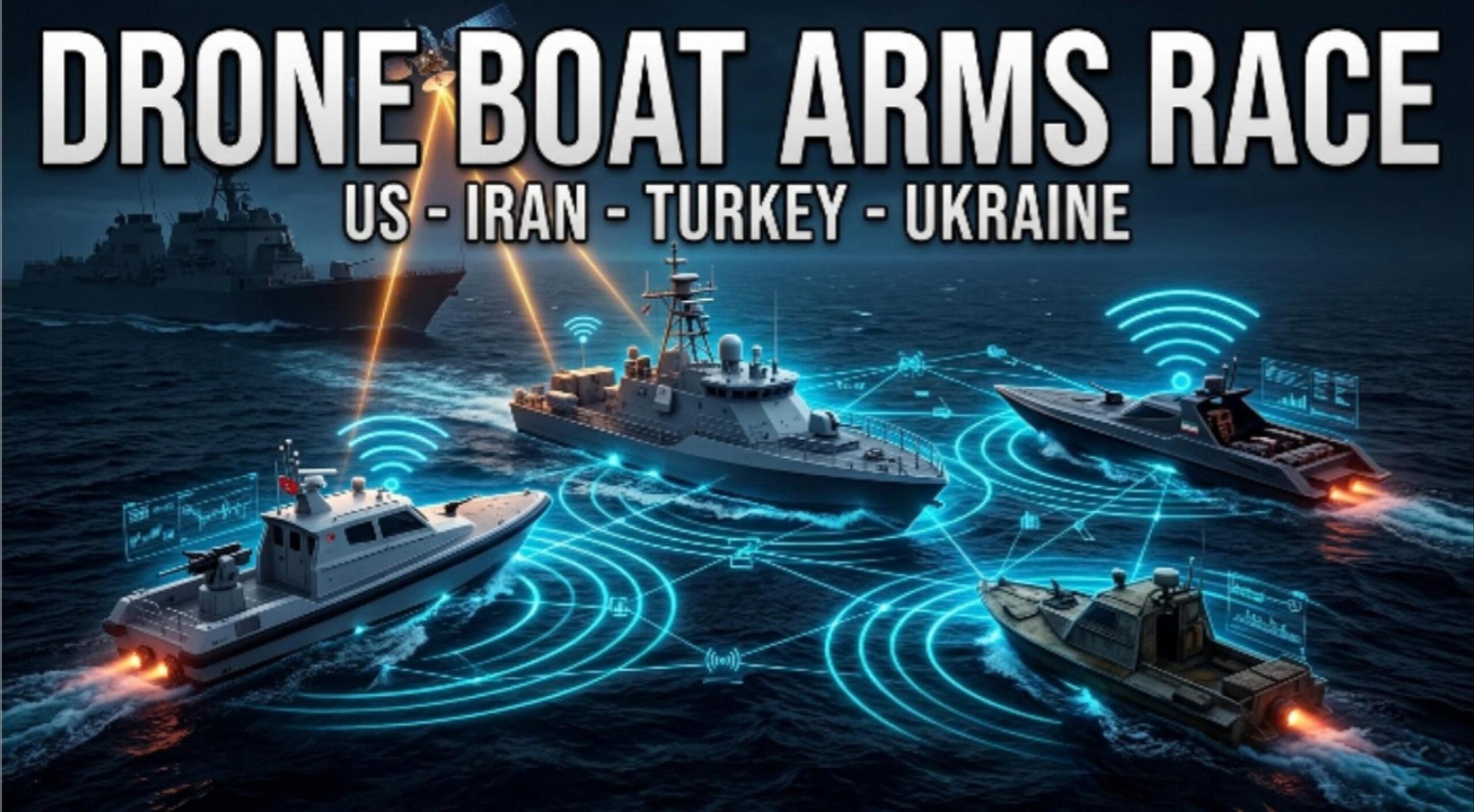
The Strait of Hormuz, a vital chokepoint through which a significant portion of the global oil supply flows, is currently hanging by a thread. Recent reports confirm Iran’s increasingly aggressive posture in the region, highlighted by a series of targeted attacks on cargo ships. These actions pose a direct challenge to international shipping lanes and have elevated maritime security risks to a critical level.
“Iran Believes It Holds a Geopolitical Advantage”
Commenting on the developing situation, General Keane warned that Iran believes it has secured a strategic and geopolitical advantage following these recent maritime incidents. According to Keane, these calculated moves are designed to test the absolute limits of international deterrence.
The fragile balance of power between the United States and Iran now stands at a crossroads, with the potential to fundamentally reshape the global order.
Global Economy and Stability on the Brink
Analysts draw a grim picture of the potential fallout if the situation in the strait deteriorates further. Continued escalation could lead to severe global consequences, including:
- Economic Shockwaves: Any disruption to the oil flow could send energy markets into a tailspin, impacting global trade.
- Deepened Regional Instability: The friction threatens to further destabilize an already volatile Middle East.
- A More Dangerous Era: The international community could be pushed into a far more dangerous period marked by direct military confrontation.
As the situation intensifies, the critical question remains: Is a full-scale confrontation now inevitable, or can diplomacy still step in to prevent a catastrophic escalation?