admin
admin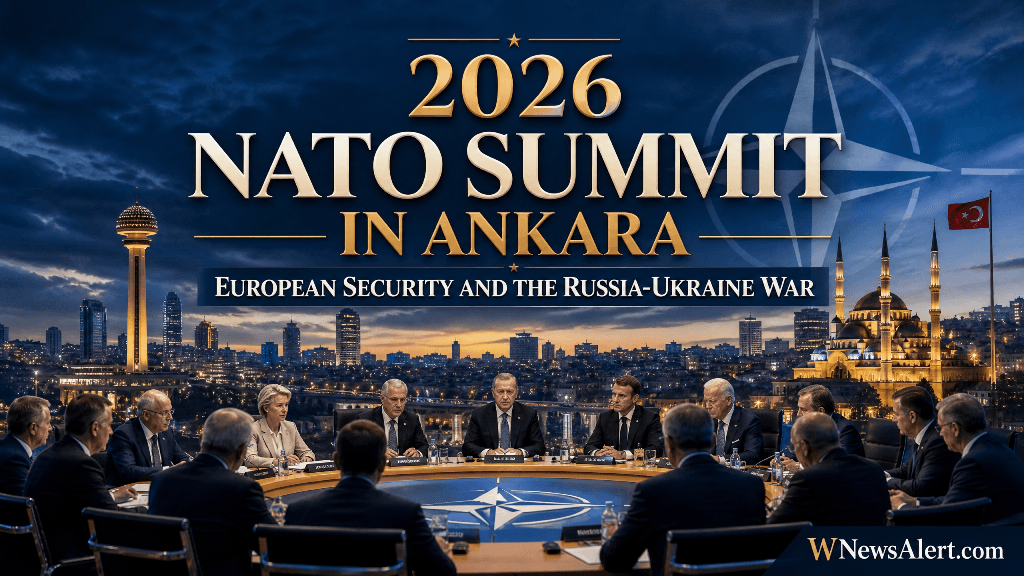
Executive Summary:
The upcoming 2026 NATO Summit in Ankara, Türkiye, is poised to be a critical gathering for the alliance, with European security and the ongoing Russia-Ukraine war dominating the agenda. As geopolitical tensions continue to escalate, the summit will focus on strengthening collective defense, adapting to evolving threats, and reinforcing NATO’s commitment to its Eastern Flank. Discussions are expected to address the long-term implications of the conflict in Ukraine, the future of NATO’s deterrence posture, and strategies for enhancing resilience against hybrid warfare and cyber threats. This analysis will explore the key themes of the summit, the challenges facing the alliance, and the potential outcomes for regional and global security.
Main Analysis:
1. Strengthening Collective Defense and Deterrence
The 2026 NATO Summit in Ankara will primarily focus on reinforcing the alliance’s collective defense and deterrence capabilities. In the wake of the Russia-Ukraine war, NATO members are keen to demonstrate unity and resolve against potential aggressors. Discussions will likely center on increasing defense spending, modernizing military capabilities, and enhancing interoperability among member states. The summit aims to send a clear message that NATO is prepared to defend every inch of its territory and protect its shared values [1].
2. High-Level Diplomacy and Strategic Leadership
Hosting the summit in Ankara places Türkiye’s unique geopolitical position directly under the spotlight. As a crucial bridge between East and West, Türkiye continues to navigate its complex relationships with both Ukraine and Russia while maintaining its vital role within NATO. Highlighting the immense stakes of the gathering, US President Donald Trump has announced his official participation in the Ankara summit, drawing global eyes to the event. Additionally, Ukrainian President Volodymyr Zelenskyy is confirmed to attend, setting the stage for direct, high-stakes diplomatic consultations. The landmark event will be presided over by NATO Secretary General Mark Rutte, marking a key test of his leadership in fostering transatlantic consensus.
3. The Russia-Ukraine War: Long-Term Strategy
A significant portion of the summit’s agenda will be dedicated to the ongoing Russia-Ukraine war. Leaders will assess the current state of the conflict, discuss strategies for continued support to Ukraine, and consider the long-term implications for European security. The alliance will likely explore ways to maintain pressure on Russia, strengthen sanctions regimes, and provide humanitarian assistance to affected populations. The summit will also address the need for a comprehensive post-conflict reconstruction plan for Ukraine and its integration into Euro-Atlantic structures [2].
4. Adapting to Evolving Threats: Hybrid Warfare and Cyber Security
Beyond traditional military threats, the Ankara summit will also address the evolving landscape of hybrid warfare and cyber security. NATO recognizes the increasing sophistication of state-sponsored cyber attacks, disinformation campaigns, and other non-military tactics designed to destabilize democracies. The alliance will discuss strategies for enhancing cyber resilience, sharing intelligence, and developing coordinated responses to hybrid threats. This includes investing in advanced technologies, training specialized personnel, and fostering stronger partnerships with the private sector [1].
Strategic Implications:
The 2026 NATO Summit in Ankara holds immense strategic importance for the future of European security. The decisions made at this summit will shape the alliance’s response to the Russia-Ukraine war, its deterrence posture against potential adversaries, and its ability to adapt to emerging threats. A strong and unified NATO is crucial for maintaining stability in a volatile geopolitical environment. The summit’s outcomes will not only impact the security of member states but also have broader implications for global peace and international cooperation. The focus on collective defense, long-term strategy for Ukraine, and adaptation to hybrid threats underscores NATO’s commitment to safeguarding its values and interests in an increasingly complex world.
Legal Notice: This analysis published on wnewsalert.com is prepared for general informational purposes only, based on publicly available global reports and data. No assessment, forecast, or commentary contained herein constitutes investment advice, financial guidance, or an official institutional position. Because geopolitical conditions and defense market dynamics are subject to rapid, unpredictable change, wnewsalert.com and its authors cannot be held liable for any outcomes arising from commercial, political, or strategic decisions made based on the information provided in this content.
References:
- [1] Control Risks. (n.d.). Geopolitical Calendar. https://www.controlrisks.com/our-thinking/geopolitical-calendar
- [2] Deutsche Bank Research. (2026, June). This Month in Geopolitics: June 2026. https://www.dbresearch.com/PROD/IE-PROD/PROD0000000000629523/This_Month_in_Geopolitics%3A_June_2026.pdf